On Budget in Europe
Travel Costs. How Much?
Room, food, transportation, and thirty little things really add up.
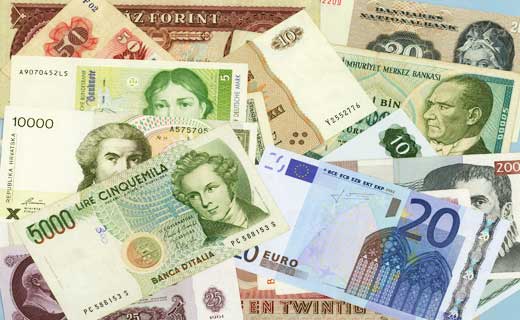
This is a part of my souvenir collection of European banknotes accumulated over the years. Wow, 5,000 Italian lira. That must be worth a lot. Nope, about two bucks back in the day, and absolutely nothing now that the euro has become the official currency of Italy. One time I was actually a multi-millionaire for a day — I had three million Polish zlotys in my pocket!
Actually that €20 banknote is not a souvenir. The euro replaced the currencies of a more than a dozen European countries on January 1, 2002. Learn more about cash at The Euro and Other Currencies: Exchange Rates for Travel in Europe.
Carpe diem. Vivere bene! Gratia Deo.
Chapter 2 Part 1 of
HOW TO EUROPE:
The Complete Travelers Handbook
John Bermont

This entire book is published totally free on-line by the author and photographer, yours truly, with help from my daughter Stephanie. Yes, you can copy — if you ask first. Please read my copyright and permissions statements. Visit my home page at enjoy-europe for truck loads of more helpful illustrated travel information sans pareil. If you have questions or comments after reading this chapter please see NOTE TO READERS. Updated 1 November 2015.

Everybody's life is on a budget.
This Internet edition of chapter 2 is divided into two parts:
BUDGET vs. EXPENSE
A budget is the amount you plan to spend. An expense is the amount you actually spent.
The purpose of part 1 of this chapter is to provide information on getting the cost data together so that you can make your budget. In other words, make an estimate of your expenses for the trip. Later in the book you will learn many ways to save money compared to the first-cut estimates you will make now.
Part 2 presents tables and explanations of my actual expenses on several trips. It includes an appendix with interesting data from my trips in the last century, the 1980s.
STAYING ON A BUDGET
Making a travel budget is relatively easy. Staying on one is the real challenge. It's like being on a diet.
Even if you feel that you don't need to budget, the exercise will be enlightening. When you're traveling, money is always flowing and it helps to know just how much. Keep an eye on your funds to prevent rip-offs. Declare a victory when you score good bargains which you can brag about at home, whether it's a humble tea pot or a new Porsche.
Cash Draw System
There are a number of ways to put your budget into practice. One method I have found very effective is to go on a twice weekly cash draw system. Every Monday and Friday morning, say, go to an ATM and get the cash that will carry you through to your next "pay day." If you're running out before you get that far just starve or stop shopping until your pay day. That may be unpleasant but it will save you from the jam I saw others fall into. They failed to monitor cash flow and found themselves with the inevitable unpleasant surprise — an empty wallet. Waiting for money from home is certainly the worst way to spend time in Europe.
You will find ATM machines throughout Europe. They are ubiquitous. Before using any ATM over there I suggest that you get familiar with my pages at The Euro and Other Currencies: Exchange Rates for Travel in Europe and ATMs in Europe: Machines Dispense Travel Cash.
Always BE ON GUARD at ATM machines.
To use the cash draw system effectively you must use your credit cards sparingly or not at all. I use my credit cards for hotel bills, sometimes. It is easy to let the credit run but then you have a potentially crushing bill when you get home. That's OK if you pay it off immediately but if you're paying the "minimum due" the banks will hit you with usurious interest rates next month. Just don't do it.
Another draw back to using credit cards is the higher cost. Credit cards typically charge a "foreign transaction fee" of around 3%. Some credit cards show this as a separate line item on your statement but others just jumble it in with the exchange conversion rate. American Express jumbles it in. US Bank Visa card shows it as a separate line item. Neither my credit union Visa card or my Capital One Visa card charges a foreign transaction fee.
To be sure, most American banks charge a fee when you draw cash at the ATM of another bank, and the other bank typically charges a fee on top of that. Most credit unions do not charge a fee so that is the preferred way to bank. Also, no bank that I have encountered in Europe charges a fee to draw money from your home town American bank. The exchange rate when drawing cash from an ATM in Europe is the best you can get, the interbank rate.
To minimize the bottom line — use an ATM card from a credit union and pay in local cash when in Europe. Get a credit union or Capital One credit card for your big expenses.
Always carry at least few hundred bucks in reserve, in new crisp USA hundred dollar bills. I call them Bennies because Benjamin Franklin's image is the centerpiece. Don't touch it except for an emergency. Deposit it back into your bank account when you get home. That costs you nothing but gives you peace of mind.
MAKING YOUR BUDGET
How much does it really cost to travel in Europe? Are you put off by travel agents quoting you hotel rates of $300 per night, or are you enraptured by reports of $5 dollars a day, room, meals, and transport included? Both are true. In fact the extremes are further apart than this. Those who have the finances can spend any amount. Those who have limited financial means can try to beg or pick grapes to earn traveling money, though you will have a hard time at it. With luck and beyond, you can theoretically live off the land and keep going forever, or until you must have a real hamburger again. If you are the super adventuring sort and have an empty wallet, read Ed Buryn's book Vagabonding In Europe And North Africa. He did it by thumb and by sleeping in barns, in addition to more conventional travel by VW bus in the early 1970s. Ed Buryn's book is a classic for adventure travel. It might also be a good investment. Prices of used editions range from $7 to $284 as of July 2014.
Most of us have limited funds and limited time, though, and do not want to just survive just to be in Europe. The following sections will enable you to make a budget to suit your own personal travel plans and standard of living. Your lifestyle, rather than where you are, is the major determinant of your expenses.
There are a few dozen categories of expenses you will encounter on a trip to Europe. A general list is presented below.
The first three items are the essentials and the things you think about first. But the sum of the thirty or so miscellaneous items can easily exceed any one of the big three, or even the sum of the three if you insist on spending and spending.
Now let's look at the nitty gritty of putting your budget together. Remember, this does not need to be extremely accurate, and in fact you should budget a little high just to be safe.
The Big Three
- Lodging
- Food
- Transportation, air and ground
Thirty (or so) Miscellaneous Items
- Electric plug adapters
- Dual voltage appliances
- Guidebooks
- Maps
- Souvenirs
- Medicine
- Gifts
- Toilet tips
- Guitar case donations
- Fees
- Cleaning
- Money changing
- Guided tours
- Museums, theaters, shows
- Bus, tram, and metro tickets
- Taxis
- Bike rental
- Telephone calls
- Internet time
- Smokes
- Entertainment
- Drinks
- Postage
- Toothpaste
- Postcards
- Soap
- Haircuts
- Taxes
- New shoes
- New clothes
- Casino losses
- Pickpocket losses
- Whatever else
Here are the sources of information to help you set up your own budget. This covers the big three — lodging, food, and transportation.
LODGING
Before doing a search for hotel prices take a look at my chapter 14, Hotels, B&Bs, Hostels, Homes: European Travelers' Sleep Options. Sleeping quarters in Europe are rarely anything like motels in the USA. Chapter 14 will introduce you to the many European varieties.
There are many sources of prices for hotel rooms and other accommodations. The sources readily available to you are:
- Internet sites
- Individual hotels
- City tourist offices
- Michelin Red Guides
- Official national tourist offices
- Travel agents
- Budget travel guides
These sources are arranged in order of decreasing reliability. There are exceptions, as there must be in any such generalization.
Internet Booking Sites
The internet is full of web sites offering best or cheapest or both hotel rates. Do a Google seach with the name of the city and the word hotel. For lower cost rooms use B&B or hostel in place of hotel.
Your search will turn up reservation agents and many individual properties. How do you know which to choose? For a starter you can read the reviews as published by tripadvisor.com. This is far from perfect because some businesses have been known to place fake reviews touting their place and bombing their competition. A better source of detailed information is the travel forum hosted by Fodor's Travel. Experienced travelers answer questions on virtually every topic in Europe. A major subject of interest is clean, safe, and affordable lodgings.
In any case it is a good idea to go deeper and at least get a map location, especially in the major cities. Map sites also offer pretty good images from space and from the ground. You don't want to be too far out of town and/or too far away from public transportation. I've noticed that some self-described "centrally located' hotels are anything but.
Individual Hotels
The best source is the hotel itself. Check the rates as posted on their web sites. Note that rates are sometimes seasonal. You'll need to have definite dates in mind. For some hotels you need to go through the reservation process in order to get a price. At this stage of your research that is not a good idea. Some hotels will charge your credit card as soon as you confirm on the internet. Also many hotel web sites are written primarily in the local lingo. Navigating the site and getting what you want can be a problem unless you know the language.
It is better to phone if you want an immediate response. Most hotels have someone on duty who speaks English. They have published rate cards and/or a board in the lobby with prices of singles, doubles, and with or without shower and/or toilet. You can use a fax to confirm a reservation, but most hotels will not respond to fax inquiries because of the expense of international phone rates.
Determine whether a bath/shower, toilet, taxes, "service charges," and breakfast is included in the price or is extra. If you are planning to drive ask if they have on-site parking and if it is included in the price of the room. Parking is usually an extra cost option at hotels in major cities. Street parking is usually free but can be difficult to find. In some cities street parking is restricted to residents and special permit holders. Florence, Italy and some other cities even prohibit you from driving in certain parts of the city. Cameras record all motion and you will get a notice of a whoopping big fine mailed to you some months later. Road side motels usually have plenty of free parking. If you use a "discount" hotel internet booking service to find a hotel it would be a good idea to call the hotel before making your reservation. You are paying for the service, and the hotel often has a better rate. You can also negotiate a better deal.
City Tourist Office
Another source of room price information is the tourist office in the city you are planning to visit. You may obtain detailed hotel lists describing services, facilities, and prices by writing directly to the local city tourist office. Allow yourself weeks for a reply. If you receive last year's listed prices, adjust them for inflation and exchange rate changes to come up with a budget figure. Do not expect a firm price until your cash is in the hands of the hotel operator. Also ask the tourist office for information about the city and its surroundings. You will probably receive a 2 pound package of information, and they pay the postage.
An alternate to writing is to seek out the web site of the city or region you plan to visit. Use a search engine and just enter the city name. You will have more hits than you would expect. To save time click City Tourist Offices in Europe. Official city tourist offices in many cities of Europe are linked. This is part of my on-site TRAVELERS YELLOW PAGES.
Michelin
The Michelin Red Guides published by the Michelin Tire Company in France are an outstanding source of hotel price information. Red Guides are available for most of the countries of Europe and regions of France. There is also a small guide to the major cities of Europe, ideal for business travelers. The country guides are in the language of the country but they use icons extensively and have an English language guide to using the books.
Major virtues of Michelin Red Guides are that the directories are comprehensive. They cover everything from one star to five star facilities in virtually every city and village. The Red Guides are no longer so readily available from American book retailers. It is easier to find what you need at Amazon.com. E.g. see Main Cities of Europe 2014 Michelin Guide. The Michelin Guides are updated yearly with the new editions available in April or May. They actually have this year's prices.
Hostelling
For hostel price information see my TRAVELERS YELLOW PAGES page at Hostels in Europe. The leading association of hostels is called HI-USA and is also known as the American Youth Hostels. You can be any age to join and enjoy cheap and friendly accommodations throughout the world, meeting all sorts of interesting vagabonders. I've stayed in hostels in Europe and even in Chicago, a centrally located building only a few blocks from Lake Michigan. HI-USA requires membership and a photo I.D. in order to stay in any of their facilities. Note that a hostel is not a hotel — it is more like a bunkhouse. There are many other independent and otherwise affiliated hostels throughout Europe.
National Tourist Offices, NTOs
Another good source of hotel price information is the official national tourist office for the country you are planning to visit. Each European country maintains a tourist office in New York City and/or a consulate in Washington. Some have offices in other major American cities. Every NTO also has a web site. A listing of all URLs is in the TRAVELERS YELLOW PAGES at European National Tourist Offices.
Travel Agents
You can get confirmed prices (and reservations) at your travel agent. You must be well-heeled or on an expense account to find this practical since a travel agent will provide this service only if you are going to stay in the world class hotels. These hotels pay a commission to the travel agent for the booking service. Generally this means a hotel at a minimum of $300 per nose per sundown.
Budget Guidebooks
Lastly, use one of the budget guidebooks. All too often the cheap hotel prices are either completely bogus, out of date, or for only a few rooms which are perpetually booked. Additionally, if you do get a room in a hotel mentioned in one of these books, you will find the place full of Californians, Texans, and New Yorkers. You went to Europe for that?
Prices in many publications are out of date before they are printed because of the long lead time between field research, if any, and publication date. Some of the travel books with a big date on the cover are published in the previous summer to take advantage of the Christmas buying season. Well known books dated 2012 were in the bookstores in August 2011. If you are using these in the following summer you have stale information.
There are very few guidebooks which I have found reliable and relatively free of errors. Chapter 10, Best Guide Books for Europe: Tomes for Travelers, has brief reviews of the cream of the crop.
FOOD
In Europe, aside from fast food junk, you will find few American restaurant choices and many more that will be completely new to you. The feature common to almost all food in western Europe is that it will cost more than it does at home. You can budget for it. In eastern Europe, the prices are far more reasonable.
The Big Mac Index
American fast food places have invaded Europe. At one street intersection in central London I observed that three of the corners were occupied by BK, KFC, and McDs. I never eat in these places, at home or abroad. If you do patronize them the prices may be higher than what you are used to paying in the USA. Use the Big Mac Index to get an idea of what it will cost you as of January 2012. But remember that currency exchange rates are in constant flux. It looks like you should brown bag it if you are going to Switzerland or Norway. Prices of everything in Oslo are way up there with the Big Mac. For information on the "Euro Area," where the prices are reported at slightly higher than American prices, see my page at Euro and Other Currencies: Exchange Rates for Travel in Europe. If you are going to visit major cities I believe that the Big Mac Index underestimates the true costs, especially for beverages.
Michelin Red Guides
Very convenient sources of good dining cost information are the annual Michelin Red Guides. These books (discussed above and elsewhere herein) select some restaurants, give them ratings, and state minimum and maximum dinner prices. Restaurants in all price ranges and in virtually every city are covered.
Restaurant Web Sites
Many restaurants are now posting their menus on the Internet. For example here is the offering of The Café Luxembourg, my favorite lunch spot in Amsterdam. Practice your skill at reading Dutch menus. One of the best values here and in cafés throughout the Netherlands is the uitsmijter (pronounced "out smyter"), three sunny side eggs on bread with cheese, ham, and mushroom options. This restaurant was designed to look like one of the old Dutch cafés but it is a relative newcomer. In the 1970s this location housed the official German National Tourist Office. My favorite pub is an authentic "brown bar" two doors away, the Café Hoppe, built in 1670. See more photos of these cafés on my page at Queen's Day Photos.
Budget Guidebooks
Even though prices for meals as given by the popular guidebooks are more reliable than their data on hotel prices, take them lightly. Whatever research that is done for these annually "updated" books is 12 months old before you are likely to buy them. It is probable that a few restaurants will have closed, moved, changed owners, or simply changed menus by the time you get there. If prices are given in a publication, make adjustments for inflation and exchange rate fluctuations since the year before the copyright date of the book. The better books wisely do not state prices but simply indicate low, moderate, or high prices. See my review of guidebooks in chapter 10, Best Guide Books for Europe: Tomes for Travelers.
Extras
When you are using these or other sources for food price information, always remember that the listed prices do not include the price of drinks, coffee, or desserts. The author simply used the fixed price menu for the main meal as the cost of eating. In all of the Scandinavian countries, two beers with dinner can double the cost of a meal. Almost everywhere, one or two mixed drinks can do the same thing. In many countries, a soft drink costs more than a glass of beer or wine. Spain, Portugal, Italy, and Greece all have good quality inexpensive table wine, a nice complement to the good and relatively low-cost meals, compared to northern Europe.
Coffee generally costs the equivalent of three dollars or more for the European half cup, with no free seconds, not to mention thirds or a pot on the table. I think that European coffee is worth the extra cost compared to the thin black water poured at most restaurants in the USA. In eastern Europe, local beers and spirits are inexpensive, with the quality varying from superb to unmentionable. Turkey and Bulgaria have some excellent beers at very good prices.
The good news in Europe is that all posted menu prices include value added tax (sales tax) and virtually all include a service charge (tip). Sometimes the bill looks strange because they have broken out the tax and show it as a separate line item. Darn accountants are everywhere just to confuse us. Actually they do this to help people who are having a business deductible lunch.
Italian restaurants have an unwritten expense — the pane e coperto charge. This means bread and cover, cover as in table cloth. It is about $5 and is added to all bills. You don't know it until you finish your meal and see the bill.
If you see service 15% non-compris on your French menu it means that 15% will be added to your bill. That's the tip, though it will not insure promptness.
Economy Tips
Even if you don't have to do it to stay within your budget, picnic occasionally. Time savings can also be substantial. Simply visit any market or grocery store to buy bread, cold meats, fish, cheese, yogurt, fruit, and a bottle of wine. Hot roasted chicken is available in some super markets. On days when you picnic your food bill can be kept under $20 per person. Outdoor farmer's markets generally have the lowest priced groceries. Peel or wash the fruit and veggies to clean off the insecticides, herbicides, and fertilizer. You can eat in your room or on a park bench or on the train.
In walking about I get thirsty and I do need to stop and sit now and then. The convenient place to kill both birds is at a cafe, preferably an outdoor cafe so I can see the local world walk by. This is expensive, easily $5 to $10 per sitting. You can save money by standing at the bar inside. You can save more by buying your beverage in a market and finding a park bench. Watch the pigeons strutt and scamper after anything you throw on the ground.
TRANSPORTATION
Getting there, getting around in Europe, and getting back will cost a lot. I have divided the cost of transportation into air travel and ground travel in my cost analysis tables below. Ground travel includes trains, city buses, international buses, and international ferries.
Flying to Europe
Getting there and getting back can be wrapped up quickly. Get on your keyboard and check out my page Discount Air Travel. I suggest using the link to Kayak, a search engine. Put in your dates and places where indicated and within a couple of minutes you'll get a bag full of possibilities, the lowest cost being on top. Then go to my page Airlines for Travel to Europe to find direct links to all the airlines crossing the Atlantic. Click the preferred airlines, fill in your dates and places again, and get the details. But don't use the lowest price for your budget unless you buy it immediately. These prices can vaporize in minutes. Before you actually buy a ticket, see chapter 4, Flying to Europe: Travel Starts at the Airport to learn how to save significantly on the cost of your flight.
Many experienced travelers are complaining on the travel forums about the high summer prices for flying to Europe and wondering when they are going to come down. People had been getting so used to paying $500 to $600 for a trans-Atlantic flight since the catatrosphe of 9/11 that they are shocked to see the fares back to well over $1,000 in the past few years. These folks have SMS, short memory syndrome. Before 11 September 2001 the lowest standard summer fare to Europe was in the $1,500 range, and up. The airlines have learned how to manage capacity in the "new economy" and the fares will probably stay way up there. The only way to save is to fly off season, January to April.
If you have enough frequent flyer miles with one of the international airlines or their partner you can budget close to zero for your airfare. Reserve early for summer travel and beware of blackout dates and premium flying dates. Many airlines raise the required FF miles from 50,000 to 100,000+ for flights to Europe between mid June and mid September. You will be asked to pay the September 11 security fee for all flights.
Be aware of extras that the airlines are now charging, especially for luggage. Read all the small print on the airline web site. You can easily be nicked for $100 at the gate if your bags are too many or too heavy. If you check in on line you get a discount with some airlines. Airlines are also charging a supplement for preferred seating. Preferred seating can simply be an aisle seat or a seat in an emergency exit row. Emergency exit row seats have considerably more knee room, and important consideration for tall people.
Travel Within Europe
Getting around once you're there is a more difficult budgeting problem. The two best means of travel are car and train. Air travel within Europe is wrong unless you are in a hurry. It is expensive and all you see are the interiors of the same planes and the tops of the same clouds that we have at home. However, quite a number of budget airlines have sprung up in Europe and are giving the trains a run for their money. Unfortunately the budget airlines have extremely tight restrictions on luggage and usually operate from inconvenient out-of-the-way airports.
Trains
My favorite train ticket over the past 30 years has been a EurailPass. The principle of Eurailpass is to allow the holder unlimited travel on virtually all the trains and on some ferries. These passes allow you to ride the rails anywhere in about two dozen countries of continental Europe plus Ireland. Great Britain is not included in Eurailpass, but it issues similar passes for England, Scotland, and Wales at comparable prices. Also, French, German, Dutch, and many other national railroads issue passes for unlimited travel within their country for slightly less than the cost of Eurailpass.
Passes are available for periods of 15 days, 21 days, one month, two months, and three months. Seniors over 60 get a discount, couples get a discouont, children under 12 pay half price, and those under four travel free. The Eurailpass Youth is available to those who are 25 and younger, allowing second class travel at a lower cost. Other options include Eurail Selectpass and Eurailpass Flexi, both with restrictive features but at a lower cost than regular Eurailpass. For example, Flexi can give you 10 or 15 days of travel in a two month period. That works out pretty good if you want to hang out in Rome for a week and not feel like you are wasting your assets with a full continuous Rail Pass.
Rail passes are no longer the bargain and convenience they once were. New high speed trains in some countries require reservations. There are a few trains which have monopolies on certain routes. These trains make it difficult and sometimes impossible to hop off and hop on any train on your route. An example is the Paris Brussels Amsterdam corridor. This is served exclusively by the high speed luxury Thalys trains. You'll need to go to the Thalys web site to get prices which can vary all over the place depending on when you are traveling and how far in advance you buy your ticket, reservation, and supplement.
For detailed information on riding the rails in Europe see the four sections of chapter 17, Trains in Europe: A Rail Primer.
Rental Car
The cost of auto travel is variable galore. You can rent one, buy one, or bring your own. In any case, you are in one way or another paying for gas, oil, maintenance, depreciation, insurance, parking, tolls, driving violations, speeding tickets, and taxes. Ouch. The Z.T.L. areas in some Italian cities can really hurt — six months after you come home.
For the purposes of budgeting, auto rental prices will be discussed in this section. But before venturing out on the streets, roads, and parking lots of Europe I recommend that you read my chapter 18, European Auto Rental: Details and Documentation. It might save your life. Information on shipping your car over is given in chapter 22, Moving to Europe: Things to Know Before You Go.
Rental car prices are available from Hertz, Avis, National, Budget, and specialized agencies with offices in the United States, e.g. Foremost Euro Car. See my page at Auto Rental in Europe for URL addresses of many companies renting cars in Europe.
Many companies do not rent to young people. The lower age limit may be 21, 25, or 30, depending on their policies. Some also have an upper age limit.
Daily rates for just basic transportation for two people are high, and rates for a luxury Mercedes or BMW will be astronomical. Savings can be had by shopping around so don't sign up for the first offer you see. Rates vary from country to country for each rental company, and different equivalent models are available in each price category. Take note in the brochures of the rather outrageous drop charges. It pays to travel in a circle and return the car to the office where you picked it up.
Weekly unlimited mileage (kilometers over there) rates can save you bundles if you are scooting around a lot. Camper vans are available in a few places.
Determine if insurance and taxes are included in the quoted rates. These can possibly exceed the rental rate of small cars. You will also have some tolls to pay on expressways in France and Italy. A fee for the privilege of driving on expressways is charged as you enter Switzerland, Austria, and some other countries. An annual sticker is placed on your windshield, but you must pay even if you are just driving through for the day unless the car already has a valid sticker. Gasoline is not included in rental prices. Benzin, petrol, essence, or some other local name for gasoline costs around three times as much as in the USA.
To estimate the cost of driving, a fairly definite itinerary is needed. I've driven all over Europe, east and west. The only way that it can be recommended is if two or more share the expenses and the work. With three in the car you are approximately at the break even point with the cost of rail passes. You have more freedom of movement with an auto, but you give up much of the experience of Europe that train travelers enjoy.
You are better off paying with a credit card in order to avoid leaving a large cash deposit. The rental company may put a huge debit on your card as you rent it to make sure they are covered if you damage it so bring an extra credit card. And make sure you have a valid drivers license and an International Driving Permit, IDP. True, you are usually able to rent a car without the IDP but it would be better to have an IDP considering its nominal cost. The police in some countries ask for it and in others they seem to not know what they are looking at when you hand it to them.
If you are planning on a long trip look into leasing a car. The IdeaMerge company offers good deals on short term leases of Renault, VW, Citroen and Peugeot vehicles for 14 to 360 days in France, Germany, Belgium, the Netherlands, Italy, Spain, Portugal and England. Check out their web site. It is linked at the bottom of the left hand column on this page.
OTHER COSTS
Thirty (Or So) Miscellaneous Items
The cost of all the other items in the expense list depends on your personal habits. Budget as closely as you can for the Three Basic Biggies — lodging, food, and transportation — and then add 30% to cover everything else. If you don't allow for all those nickel and dime items, you will have an uncomfortable time and/or have to come home early.
Pre-Trip Expenses
There will probably be expenses in preparing for your journey. You may need a new suitcase, 220/110 volt electric devices, a passport, etc. Costs of these items are not included here since only you know what you need to purchase, and you can readily get the prices of most items at your local department store or from Amazon.com using any of the links in th pink column on the right.
LAST CALL
Tp help you keep your head on straight as you prepare for the multitude of things to do in preparation for your trip see Last Call: Travel Prep and Pack Lists for Europe.
Have a good trip!
NOTE TO READERS
I welcome questions, comments, complaints, and compliments. If you have any concerns about your trip to Europe that have not been covered well enough on my web site please do not hesitate to write. Ask, cuss, discuss, or whatever. I read every email and update my pages when I see a question repeating, Then I will not get that question again, hopefully. In some cases readers have been so generous with their time and talent that I have included their emails verbatim, e.g. chapters 22 and 25.
I do not open attachments. I do not click links to web pages of any kind. I will reply in a day or two, usually.
My email address is [email protected].
Do not forget to smell the hyacinths. At your liesure scroll through the Table of Contents of How To Europe: The Complete Travelers Handbook and read all 30 chapters, FREE on line. Good deal! You'll probably find the answers you seek, and some you didn't know you needed.
FREE
This web site is totally free for everyone, and a labor of love for me. To keep it afloat I receive a commission from Amazon.com for all goods purchased through the adverts I have selected, and any other products you might buy when you are on the Amazon site. Amazon has almost everything for sale, except the Brooklyn Bridge and Mount Rushmore.
Please visit my on-line store at
 .
Your support is most gratefuly appreciated. TIA.
.
Your support is most gratefuly appreciated. TIA.
To like and like not:


Adverts
To support this site:
Please buy your goods at:Amazon.com
Shop in your shorts!
Please clean out your cookie jar before clicking.
Rolling luggage sure beats lugging a pack on your back.
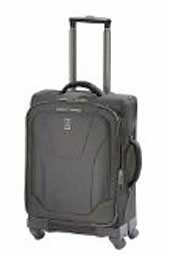 Travelpro Luggage Maxlite 2 20" Expandable Spinner
A shoulder bag for your daily walk-about.
 Travelpro Luggage Maxlite3 Soft Tote
Keep your stuff organized.

Luggage Packing Cubes
eBags 3pc Set
The two gallon size is excellent for packing your clothes, but it is hard to find in Europe.
 Two gallon plastic bags
ZipLoc by SC Johnson
Inconspicuously lock your zippered luggage with a black wire tie.
 Cables to Go 43036 Cable Ties - 100 Pack (Black)
A Swiss Army Knife is unquestionably the handiest item a traveler can carry, except not on a plane.
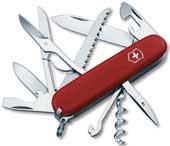 Victorinox Swiss Army Huntsman II Knife
Note: The highlighted #E number is purely arbitrary. It is meant to help quickly identify products in this advert column when you write in for electrical advice.
See NOTE TO READERS.
Plug adapters are needed throughout Europe. There are at least five models used in different countries.
This adapter is for the standard grounded plug in France, Germany, and northern Europe. It does not fit in outlets of Italy, Switzerland, Ireland, and Britain.
#E-010
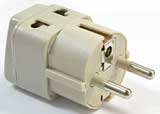 Grounded Universal 2 in 1 Plug Adapter
European Schuko plug.
4.8 mm prongs.
Equivalent to type E and F.
You can use this ungrounded Euro plug in some European countries.
#E-020
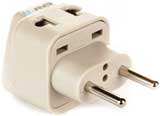 Universal 2 in 1 Plug Adapter
Euro Plug
4.0 mm prongs.
Equivalent to type C.
This is a universal plug adapter for the UK and Ireland.
#E-030
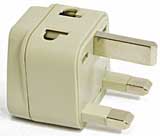 AC Adapter Plug for use in England, Scotland, Wales, and Ireland
Equivalent to type G.
Here is the Swiss version.
#E-040
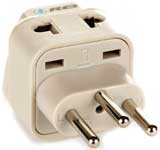 Grounded Universal 2 in 1 Plug Adapter
Type J for Switzerland
Here is the grounded Italian model.
#E-050
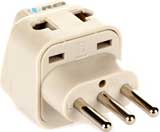 Grounded Universal 2 in 1 Plug Adapter
Type L for Italy
This 110-250 volt power surge strip has three universal outlets and an American grounded plug so it needs a plug adapter for the countries you are visiting. Make sure your gizmos are rated for 110-240 volts.
#E-060
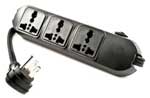 SM-60 Universal 3 Outlet Power Strip Surge Protector for Worldwide Travel. 110V-250V with Overload Protection.
If your gizmos charge through a USB port this can keep you going. European cars have the same 12 volt system as American cars.
#E-200
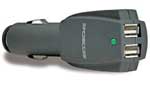 Scosche Dual USB
Car Charger
The links in this pink field take you directly to a page at Amazon.com. The Amazon page details the item, and in most cases includes candid and critical comments from others who have bought the item.
Amazon pays my site a small commission when you click and order an item, if you put it in your shopping cart within 24 hours based on the cookie they set on your computer. If you don't want to make a quick decision just put it in your shopping cart, think it over, and come back later. The revenue covers the cost of maintaing this web site and keeps it free to users.
You benefit when buying here because Amazon has:
- 20% - 30% discount on many items,
- free shipping deals, direct to your door,
- no sales tax on internet purchases in most states,
- zillions of products, well almost,
- fast delivery even when it is free,
- shipment tracking in UPS, USPS, FedEx,
- easy returns if you are not happy with the product.
You win we win. Thanks for your support!!
Have a good trip in life,
John Bermont
Note: Italicized notations by the author.
This 50 watt 220/110 volt step down transformer is good for very small 110 volt appliances and light duty chargers.
#E-070
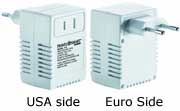 Travel Smart by Conair 50-Watt International Transformer
Wear a money belt under your shirt to protect your passport and valuables, especially if you are staying in hostels or dorms.
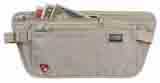 Lewis N. Clark RFID Blocking Waist Stash
An RFID blocking wallet protects your passport and credit cards from identity theft in public places.
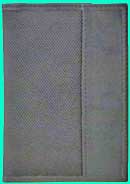 Travelon RFID Blocking Passport Case
Inconspicuously lock your zippered luggage with a black wire tie.
Cables to Go 43036 Cable Ties - 100 Pack (Black)
A Swiss Army Knife is unquestionably the handiest item a traveler can carry, except not on a plane.
Victorinox Swiss Army Huntsman II Knife
This will come in very handy very often.
 Fenix LD15
High Performance
LED Flashlight
To help find your way on the winding and poorly posted roads of Europe. It works for civilian travelers also.
 Lensatic Military Marching Compass
This is my book, available at Amazon.com. The last edition was published in 2003. Critical up-dates are on this web site.
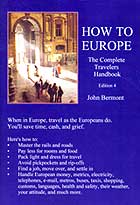 How To Europe
The Complete
Travelers Handbook
by John Bermont
The best travel guide to all of Europe.
 Europe on a Shoestring
Lonely Planet
A comprehensive guide to 3,000 hotels and restaurants in 44 major cities throughout Europe, in English. Separate books in the Michelin Red series cover individual countries in greater detail. This is a must have for frequent travelers.
 Main Cities of Europe 2015
Michelin Guide
Michelin will get you on the right road.
 Europe Map Michelin
This camera includes a GPS that automatically sets the internal clock depending on which time zone you are in.
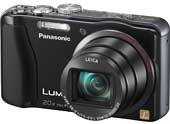 Panasonic Lumix ZS20 14.1 MP High Sensitivity MOS Digital Camera with 20x Optical Zoom
One of my favorite books. Ernest Hemingway in Paris.
 A Moveable Feast
by Ernest Hemingway
A Moveable Feast
by Ernest Hemingway
Rolling luggage sure beats lugging a pack on your back.
Travelpro Luggage Maxlite 2 20" Expandable Spinner
A shoulder bag for your daily walk-about.
Travelpro Luggage Maxlite3 Soft Tote
Keep your stuff organized.
Luggage Packing Cubes
eBags 3pc Set
The two gallon size is excellent for packing your clothes, but it is hard to find in Europe.
Two gallon plastic bagsZipLoc by SC Johnson
Inconspicuously lock your zippered luggage with a black wire tie.
Cables to Go 43036 Cable Ties - 100 Pack (Black)
A Swiss Army Knife is unquestionably the handiest item a traveler can carry, except not on a plane.
Victorinox Swiss Army Huntsman II Knife
Wear a scarf for comfort and style.
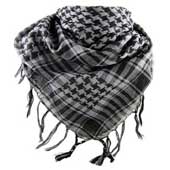 Very soft houndstooth neck scarf, Kanye West style, different colors available